Haxone: The Futuristic Font That Defines Digital Aesthetics
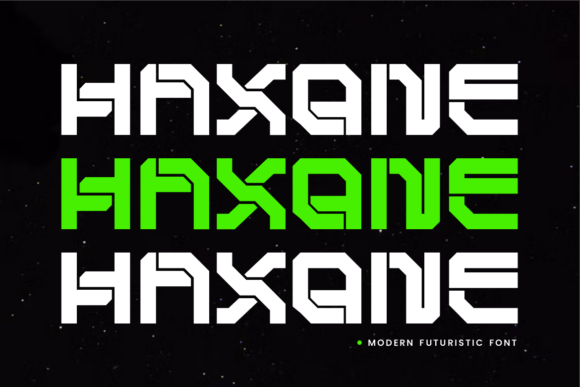
In the world of design, typography plays a crucial role in conveying tone, mood, and identity. For projects that lean into the digital, sci-fi, or gaming realms, Haxone has emerged as a standout choice. This sharp, edgy font features angular strokes and a digital flair that makes it instantly recognizable. Whether you're working on a logo, a game title, or a tech-related visual, Haxone offers a unique blend of readability and character that sets it apart from more traditional typefaces.
One of the most notable qualities of Haxone is its blocky structure. Unlike smooth, flowing fonts, Haxone's design relies on clean lines and sharp angles. This gives it a mechanical feel that aligns perfectly with futuristic themes. The font’s boldness ensures it remains legible even at smaller sizes, making it ideal for UI elements, headers, or branding materials where clarity is essential.
The Versatility of Haxone in Modern Design
Haxone isn’t just a font for eye-catching headlines—it’s a versatile tool that can be integrated into various aspects of a design project. Its modern aesthetic makes it a natural fit for tech startups, gaming companies, and creative agencies looking to establish a cutting-edge brand identity. When used in logos, Haxone adds an element of innovation and forward-thinking, which can help businesses stand out in competitive markets.
For game developers, Haxone provides a strong visual language that complements the immersive experience of their games. Whether it’s the title screen, in-game menus, or promotional materials, the font’s angular style enhances the overall atmosphere. It works particularly well in genres like cyberpunk, space exploration, or high-tech action, where the visual design needs to reflect the game’s theme.
In web design, Haxone can be used to create striking headings that draw attention without overwhelming the viewer. Its contrast against more neutral typefaces allows it to serve as a focal point while maintaining a professional appearance. Designers often pair it with sans-serif fonts to balance its boldness, ensuring that the overall layout remains cohesive and visually appealing.
Why Haxone Stands Out in Sci-Fi and Tech Projects
When it comes to sci-fi and tech-themed visuals, Haxone brings a level of authenticity that other fonts may lack. Its angular structure mimics the aesthetics of digital interfaces, circuit boards, and futuristic architecture. This makes it a go-to choice for designers working on movie posters, concept art, or product packaging for tech gadgets.
For coding-related projects, Haxone’s clean lines and structured form can enhance the readability of code snippets or technical documentation. While it’s not typically used for long blocks of text, its use in headings, labels, or UI components can add a sleek, modern touch. This is especially useful for software interfaces, developer tools, or educational platforms that aim to present information in a visually engaging way.
Another reason Haxone resonates with designers is its ability to evoke a sense of energy and movement. The font’s sharp edges and geometric shapes suggest speed, precision, and innovation—qualities that are highly valued in industries like gaming, robotics, and virtual reality. By incorporating Haxone into their work, designers can communicate these values effectively without relying on complex imagery or color schemes.
Practical Applications and Industry Use Cases
Many creative professionals have found Haxone to be a valuable asset in their workflow. In the advertising industry, it’s often used for campaigns targeting younger, tech-savvy audiences. The font’s modern look helps brands appear more relevant and innovative, which can drive engagement and loyalty among consumers.
For independent artists and designers, Haxone offers a cost-effective way to elevate their work. With its availability on major font marketplaces, it’s accessible to both seasoned professionals and newcomers. This accessibility has led to its widespread use in digital art, motion graphics, and social media content, where visual impact is key.
In the field of UX/UI design, Haxone can be used to create intuitive and visually appealing interfaces. Its boldness ensures that buttons, icons, and navigation elements stand out, improving user experience. However, it’s important to use it strategically, as overuse can lead to visual clutter. Designers often apply it to key interactive elements while keeping the rest of the interface minimal and functional.
Considerations When Using Haxone
While Haxone is a powerful font, it’s not always the best choice for every project. Its angular style may not align with more traditional or minimalist designs. Before adopting Haxone, it’s important to consider the overall aesthetic of the project and how the font will interact with other design elements.
Another factor to keep in mind is the target audience. If the goal is to appeal to a broad or conservative demographic, Haxone’s edginess might be too much. However, for niche markets or audiences that appreciate futuristic and digital aesthetics, it can be a strong differentiator.
Finally, designers should test Haxone in different contexts to ensure it performs well across various mediums. From print to digital screens, the font’s sharp edges and blocky structure need to maintain clarity and consistency. Adjusting spacing, size, and color can help optimize its appearance in different applications.