Rotten Wood Roller STL for Realistic Texture Creation
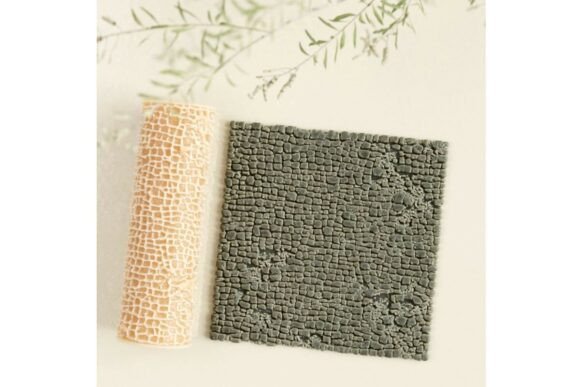
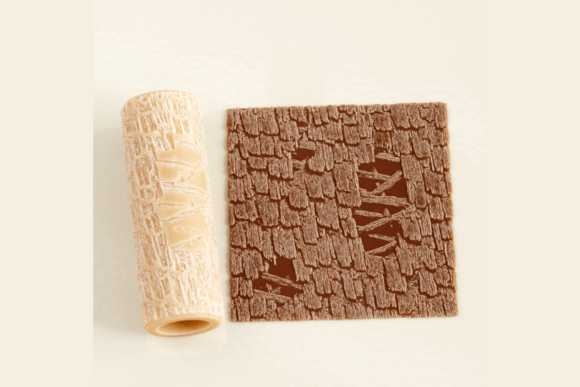
The Rotten Wood Roller STL is a digital design file that enables users to create realistic aged and weathered textures on various materials. This high-resolution model, specifically the Abandoned Rotten Wood Roof Texture Roller STL File, is ideal for artists, crafters, and hobbyists looking to add authentic texture to their projects. The file is optimized for 3D printing and can be used with FDM, SLA, DLP, and resin printers, making it a versatile tool for different applications.
With its detailed representation of cracked beams, broken shingles, and decayed wood, this roller offers a unique way to enhance the visual appeal of clay, pottery, ceramics, and even fondant. Its seamless design allows for easy resizing, ensuring compatibility with a wide range of project sizes and requirements.
Why Someone Might Be Interested in Rotten Wood Roller STL
Individuals interested in creating realistic textures for artistic or practical purposes may find the Rotten Wood Roller STL appealing. Whether working on a diorama, tabletop terrain, wargaming base, or miniature model, this tool provides an efficient way to achieve an aged look without the need for manual carving or painting. The digital nature of the file also means it can be downloaded instantly, eliminating the need for physical shipping or waiting for delivery.
For those involved in gaming or fantasy modeling, the ability to replicate the look of ruined structures, medieval houses, or fantasy villages can significantly enhance the immersive quality of their work. Similarly, bakers and cake decorators may use the texture roller to add depth and realism to fondant creations, giving them a more authentic appearance.
Benefits and Considerations of Using Rotten Wood Roller STL
One of the main benefits of the Rotten Wood Roller STL is its versatility. It can be adapted to various materials and scales, allowing users to experiment with different textures and effects. The high-resolution design ensures that details remain sharp and defined, even when scaled down for smaller projects. Additionally, the lack of support structures required during printing simplifies the printing process, reducing time and material waste.
However, there are some considerations to keep in mind. The success of the final product depends on the user's familiarity with 3D printing settings, such as layer height and print speed. A layer height of 0.1–0.15 mm is recommended to maintain detail while ensuring proper adhesion and structural integrity. Users who are new to 3D printing may need to experiment with these settings to achieve optimal results.
Another factor to consider is the type of printer being used. While the file is compatible with multiple technologies, the quality of the final texture may vary depending on the printer's capabilities. High-end resin printers may produce finer details compared to basic FDM models, so users should assess their equipment before proceeding.
Situations Where Rotten Wood Roller STL Is a Strong Fit
The Rotten Wood Roller STL is particularly well-suited for projects that require a natural, aged aesthetic. For example, in the creation of dioramas or miniature landscapes, this texture can add depth and realism to buildings, walls, and other structures. In tabletop gaming, it can be used to create terrain that mimics real-world environments, enhancing the overall experience for players.
Artists working with clay or ceramics may also benefit from using this roller to add texture to their pieces, whether for functional items like vases or decorative sculptures. The ability to resize the model makes it adaptable for both small and large-scale works, offering flexibility in design choices.
Situations Where Alternatives May Be Worth Considering
While the Rotten Wood Roller STL is a powerful tool, there may be cases where alternative solutions are more appropriate. For instance, if a user prefers hand-carved textures or has access to traditional molding techniques, they may not need a 3D-printed solution. Additionally, those working with materials that do not respond well to textured rollers may find other methods more effective.
Users who are not familiar with 3D printing or who lack the necessary equipment may also find the process challenging. In such cases, purchasing pre-made texture tools or consulting tutorials on texture application could be a more accessible option. It’s important to evaluate personal skills, resources, and project goals before deciding on the best approach.
Practical Decision-Making Insights
When considering the Rotten Wood Roller STL, it’s essential to align the tool with specific project needs. If the goal is to achieve a consistent, detailed texture across multiple pieces, this digital file can save time and effort. However, for one-off or highly customized designs, manual techniques might offer greater control and uniqueness.
Additionally, users should consider the long-term value of the file. Since it is a digital download, there are no recurring costs, and it can be reused for future projects. This makes it a cost-effective option for those frequently working on textured surfaces.
Ultimately, the Rotten Wood Roller STL is a valuable resource for those looking to enhance their creative or craft projects with realistic, aged textures. By understanding its capabilities, limitations, and best use cases, users can make informed decisions about whether it meets their specific needs.